Top 6 Signs Your Sterilization Workflow Is Slower Than It Should Be

A slow sterilization workflow does not always look like a technical failure. It often shows up as delays, rework, bottlenecks, and staff frustration. This post highlights six common warning signs that your reprocessing system may be slowing down your clinic.
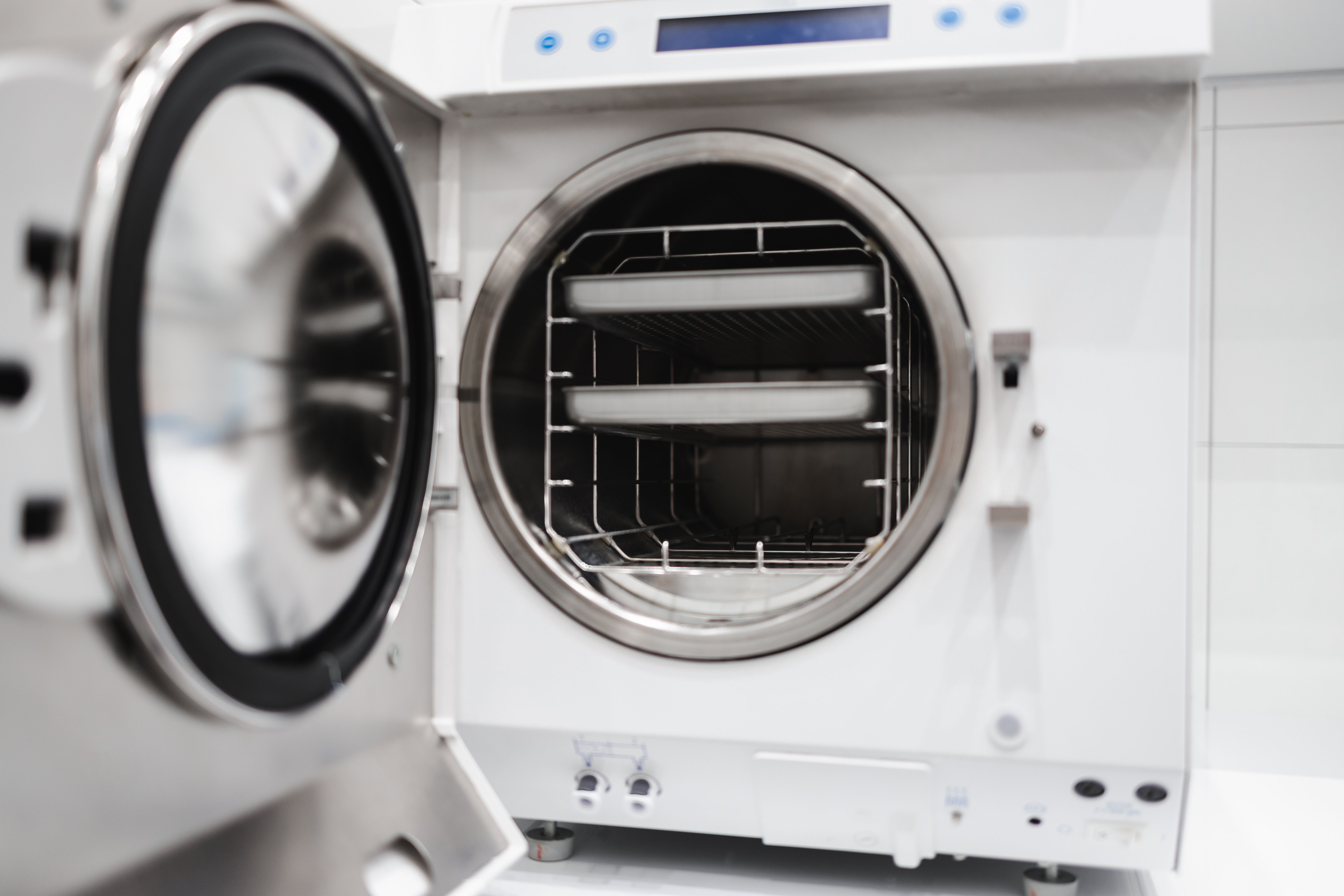
Top 6 Signs Your Sterilization Workflow Is Slower Than It Should Be
Not every sterilization problem looks like a failure. Some look like delay, clutter, or staff frustration. That is why one of the smartest commercial blog angles for Sterolux is workflow performance. Clinics do not only buy sterilization equipment because they want “sterility.” They buy because they want dependable throughput.
Here are six signs your sterilization workflow may be slower than it should be.
1. Staff Are Waiting on Instruments Too Often
If treatment flow is regularly delayed because instruments are not ready, that is not just a scheduling issue. It often points to a bottleneck somewhere in the reprocessing chain.
CDC specifically warns that unwrapped sterilization should not be used routinely as a convenience measure or to compensate for too few instruments. If teams are tempted to cut corners because turnaround is too tight, that is a workflow warning sign.
2. Cleaning and Sterilization Feel Disconnected
If instruments come out of the operatory and then “sit around” before being cleaned, or if packaging is treated like an afterthought, the whole chain slows down. CDC makes it clear that cleaning is the first step and that drying and packaging must be handled properly before sterilization.
3. Packaging Keeps Creating Rework
If pouches are often mis-sized, overfilled, sealed inconsistently, or labeled poorly, staff lose time correcting preventable mistakes. This is exactly why sealing machines and a dedicated packaging setup matter. Sterolux’s sealing machine category is directly relevant here.
4. Your Sterilizer Is Doing Too Much Heavy Lifting
A sterilizer is not supposed to solve every upstream problem. If the chamber is constantly loaded with poorly organized packs, damp instruments, or last-minute mixed loads, it becomes the pressure point for the whole room.
5. Maintenance Is Reactive Instead of Routine
When maintenance only happens after something goes wrong, downtime usually becomes more frequent and more disruptive. Steam sterilization is dependable when operated correctly, but that depends on following the device instructions and maintaining the system as intended.
6. No One Really “Owns” the Workflow
If everyone touches sterilization but nobody owns the process, standards drift. Small errors become normal. Traceability gets weaker. Throughput suffers.
What a Faster Workflow Usually Looks Like
A better system usually includes:
- defined dirty-to-clean direction
- ultrasonic cleaning where appropriate
- dedicated drying and inspection space
- consistent pouching and labeling
- correct water support
- sterilizer maintenance discipline
Sterolux is well-positioned to speak to this because its catalog covers several stages of the workflow, not just the autoclave itself.
Final Takeaway
If your sterilization room feels slower than it should, the problem may not be one machine. It may be the workflow around it.


Latest Insights & Resources
Stay informed with expert tips, industry news, and best practices for sterilization
Learn why water quality is critical to sterilizer performance, reliability, and maintenance. Discover how proper water support helps protect your investment over the long term.
Packaging mistakes can affect efficiency, consistency, and confidence throughout the sterilization process. Learn why packaging deserves more attention in modern reprocessing workflows.
Compare steam sterilization and dry heat sterilization from a workflow perspective. Learn why steam sterilizers remain the preferred choice for most modern healthcare practices.
Popular Articles
Take Infection Control to the Next Level
Join leading healthcare providers who trust Sterolux to deliver safer, faster, and smarter sterilization.