Best Practices for Pouch Sealing: How to Avoid Packaging Mistakes Before Sterilization

Pouch sealing is a critical control point in instrument reprocessing, not a minor prep task. This post explains how drying, inspection, correct pouch use, and labeling help prevent avoidable packaging mistakes before sterilization.
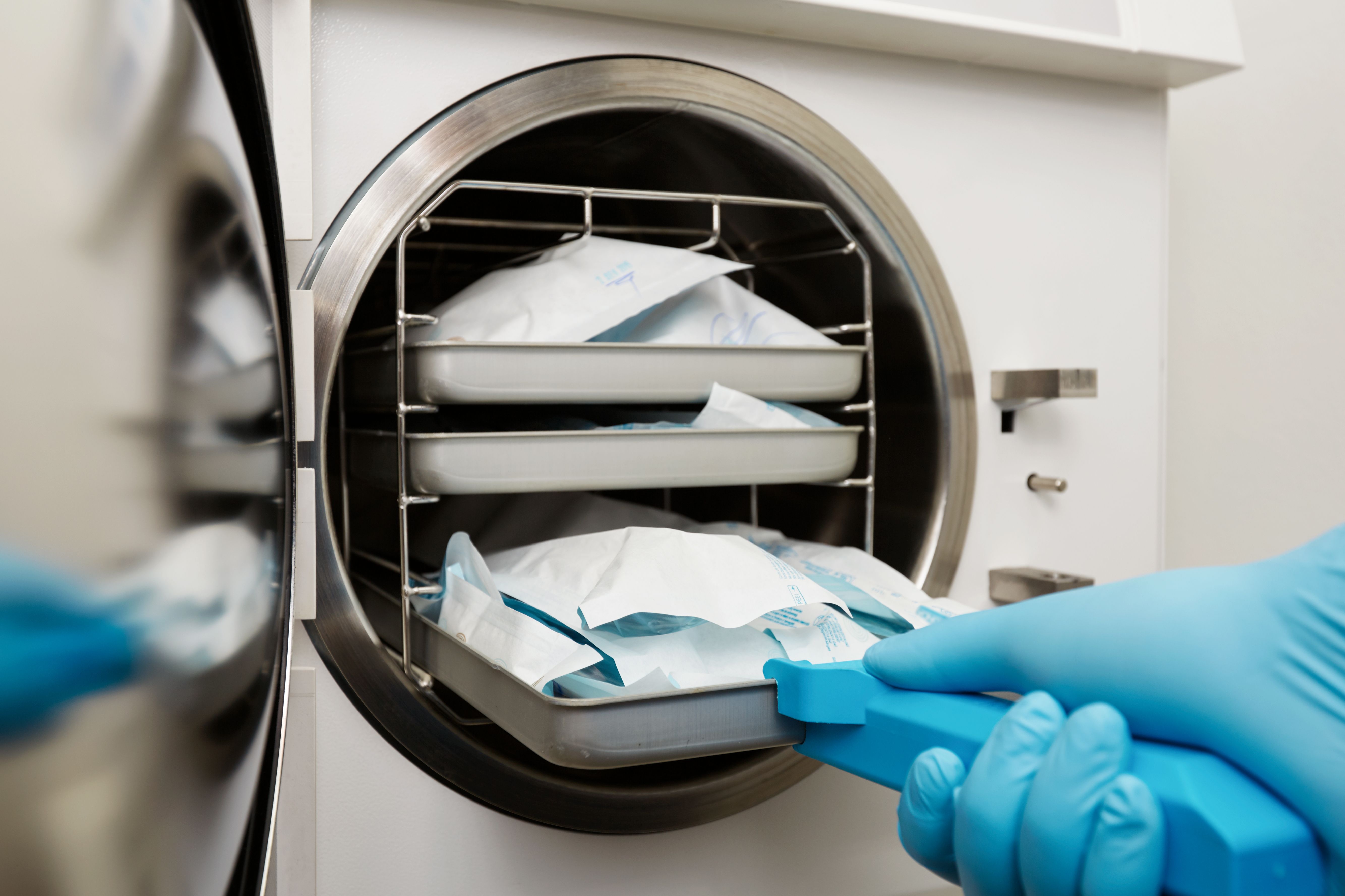
Best Practices for Pouch Sealing: How to Avoid Packaging Mistakes Before Sterilization
A lot of clinics put most of their attention on the sterilizer and too little on what happens before instruments ever enter the chamber. That is a mistake because packaging errors can undermine an otherwise well-run sterilization process.
CDC guidance makes several points that should shape every pouch-sealing workflow: instruments should be thoroughly dried before packaging, inspected before sterilization, and placed into packaging materials that allow sterilant penetration while maintaining sterility after the cycle.
Dry First, Then Package
This is one of the most commonly missed details. If instruments are still damp from cleaning when they are pouched, that can create problems during and after sterilization.
Drying is not a cosmetic step. It is part of protecting the integrity of the whole package.
Inspect Before Sealing
Packaging should never be the first time anyone notices a problem. Instruments should be checked for cleanliness, damage, completeness, and correct grouping before they are sealed.
That means the sealing station is not just a packaging station. It is a verification station.
Use the Right Pouch and the Right Seal
Not all packaging mistakes are dramatic. Many are small:
- overstuffing pouches
- choosing the wrong pouch size
- inconsistent seal quality
- poor organization of instruments inside the pouch
These errors can affect steam penetration, drying, and pack handling later.
This is where Sterolux’s sealing machine category becomes strategically important. Clinics do not just need “a sealer.” They need consistent sealing performance that fits the pace and volume of their reprocessing area.
Label Every Pack Correctly
CDC recommends load traceability information such as sterilizer used, cycle or load number, and date. Good labeling turns packaging into part of the documentation chain, not just preparation for the shelf.
Do Not Build a System Around Shortcuts
A packaging workflow should reduce the temptation to rely on convenience-driven habits like rushing instruments through without proper pouching. CDC specifically warns against using unwrapped sterilization as a routine shortcut.
Final Takeaway
If packaging is weak, sterilization confidence is weak. Pouch sealing should be treated like part of the sterilization system, not a side task before the “real” work starts.


Latest Insights & Resources
Stay informed with expert tips, industry news, and best practices for sterilization
Learn why water quality is critical to sterilizer performance, reliability, and maintenance. Discover how proper water support helps protect your investment over the long term.
Packaging mistakes can affect efficiency, consistency, and confidence throughout the sterilization process. Learn why packaging deserves more attention in modern reprocessing workflows.
Compare steam sterilization and dry heat sterilization from a workflow perspective. Learn why steam sterilizers remain the preferred choice for most modern healthcare practices.
Popular Articles
Take Infection Control to the Next Level
Join leading healthcare providers who trust Sterolux to deliver safer, faster, and smarter sterilization.