Top 5 Mistakes Clinics Make When Setting Up a Sterilization Room

A sterilization room should be built around workflow, not just equipment. This post explains the most common setup mistakes clinics make, from poor clean-to-dirty flow to underestimating packaging space and water quality requirements.
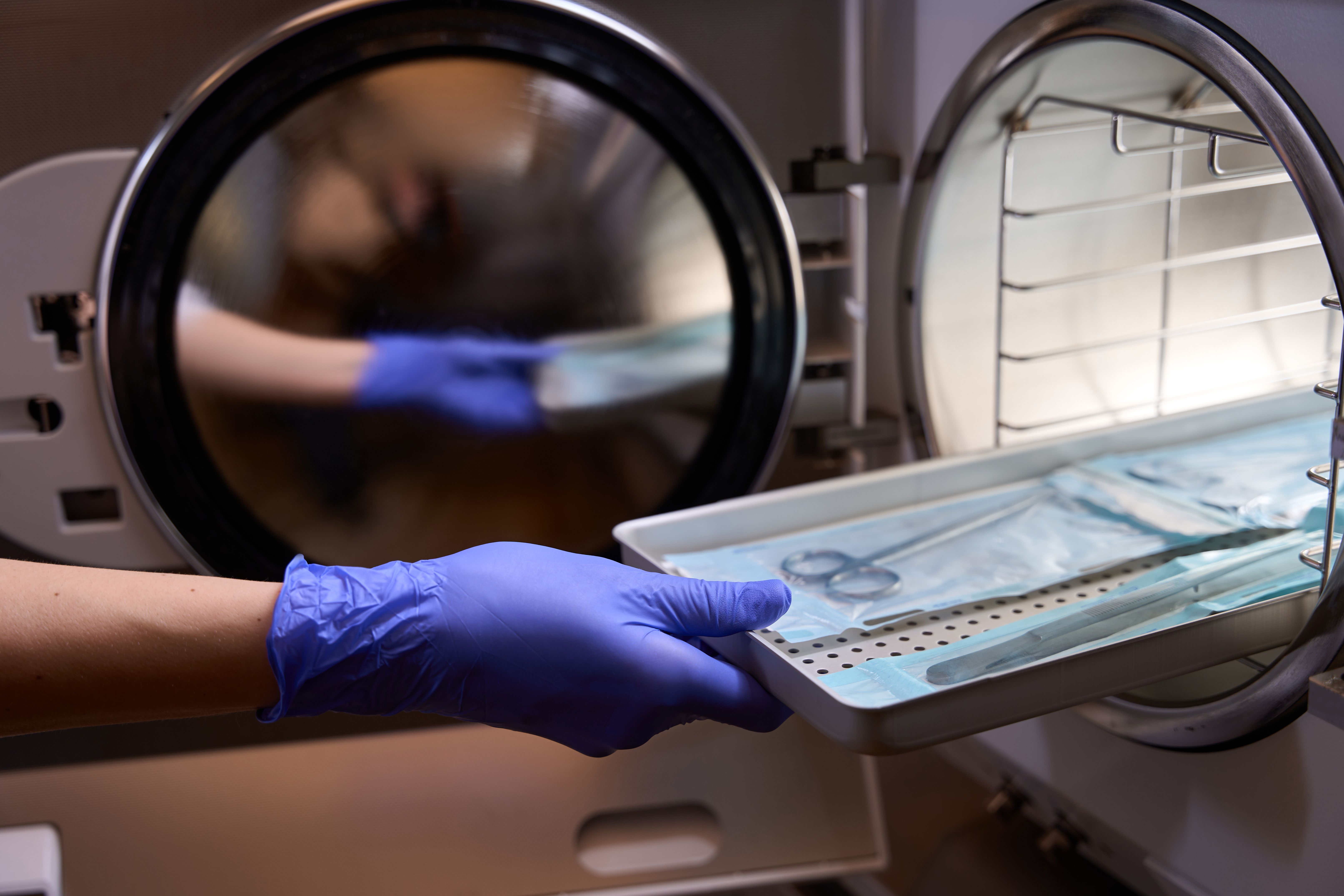
Top 5 Mistakes Clinics Make When Setting Up a Sterilization Room
A sterilization room should work like a system, not a collection of machines pushed against a wall. That sounds obvious, but it is one of the biggest reasons clinics end up with bottlenecks, wet packs, workflow confusion, and avoidable reprocessing mistakes.
The CDC is clear that instrument reprocessing is a sequence, not a single step. Instruments must move through transport, cleaning, drying, inspection, packaging, sterilization, and storage in the correct order every time. Cleaning comes first, instruments should be dried before packaging, and packaging must allow sterilant penetration while maintaining sterility afterward.
Mistake #1: Designing Around the Sterilizer Only
Many clinics choose an autoclave first and then try to force the rest of the room around it. That is backwards. A sterilizer is only one station in the full workflow.
A complete setup usually needs:
- contaminated instrument receiving
- ultrasonic or other cleaning area
- inspection and packaging space
- sealing and labeling space
- sterilization area
- cooling and storage area
Sterolux sells not only steam sterilizers but also ultrasonic cleaners, sealing machines, water distillers, lubricating machines, and dental suction units, which makes this full-workflow approach especially relevant to the brand.
Mistake #2: Letting Clean and Dirty Flow Cross
One of the fastest ways to create confusion is allowing contaminated instruments and sterilized packs to travel through the same workspace without a clear directional flow. Even when teams mean well, bad layout causes shortcuts.
A good reprocessing room reduces unnecessary backtracking and makes each stage obvious. The less guessing staff have to do, the more consistent the system becomes.
Mistake #3: Underestimating the Packaging Stage
Practices often focus on chamber size and cycle speed, then forget how much time and space pouching takes. CDC guidance makes it clear that instruments should be dry, inspected, and properly packaged before heat sterilization, and that packaging has to support both sterilization and post-cycle sterility maintenance.
That means pouching is not an admin step. It is a control point.
Mistake #4: Using the Wrong Water Habits
Steam sterilization depends on controlled steam contact, temperature, pressure, and time. Water quality plays into that equation. A recent FDA-cleared steam sterilizer summary for a modern tabletop unit specifies use of distilled or purified water in the reservoir, which shows how important water input is to routine operation.
This is where Sterolux’s water distiller category becomes more than an accessory. It becomes part of protecting sterilizer performance.
Mistake #5: Treating Reprocessing as “Whoever Has Time”
A sterilization room needs ownership. If daily cleaning, equipment checks, pouching quality, and documentation are treated as random shared tasks, standards slip. Over time, that leads to slower throughput and less confidence in the process.
A smart sterilization room is not just safer. It is faster, calmer, and easier to run.
Final Takeaway
The best sterilization rooms are designed around workflow, not just equipment.


Latest Insights & Resources
Stay informed with expert tips, industry news, and best practices for sterilization
Learn why water quality is critical to sterilizer performance, reliability, and maintenance. Discover how proper water support helps protect your investment over the long term.
Packaging mistakes can affect efficiency, consistency, and confidence throughout the sterilization process. Learn why packaging deserves more attention in modern reprocessing workflows.
Compare steam sterilization and dry heat sterilization from a workflow perspective. Learn why steam sterilizers remain the preferred choice for most modern healthcare practices.
Popular Articles
Take Infection Control to the Next Level
Join leading healthcare providers who trust Sterolux to deliver safer, faster, and smarter sterilization.